FAQOverseas sale

Are products using ABS plastic containers and caps subject to export restrictions under the Basel Convention?

Automatically translated from Korean.
WeDealize Official AccountOfficialReviewed by our team · as of 2026-10-30
4 views
ABS 플라스틱 용기·캡을 쓴 제품은 바젤협약 때문에 수출이 제한되나요? 대표 이미지
AI-generated image

Key answer — Export permits and export declarations under the Basel Convention are procedures required when exporting waste. In domestic regulations, ABS is listed as the name of a polymer under the category of plastic waste. If the container or cap is used to package and sell a product, first determine whether it is waste, and classify the goods separately from waste and scrap.

Some products have a container body and cap made from different plastics. When attempting to export a product with an ABS cap, you may be told that exporting it is difficult because ABS is subject to the Basel Convention. In such cases, people also ask whether the container material needs to be changed and whether a separate permit is required.

General information, not professional advice.

1 comment

1 comment

  • WeDealize Official AccountOfficialReviewed by our team · as of 2026-10-30

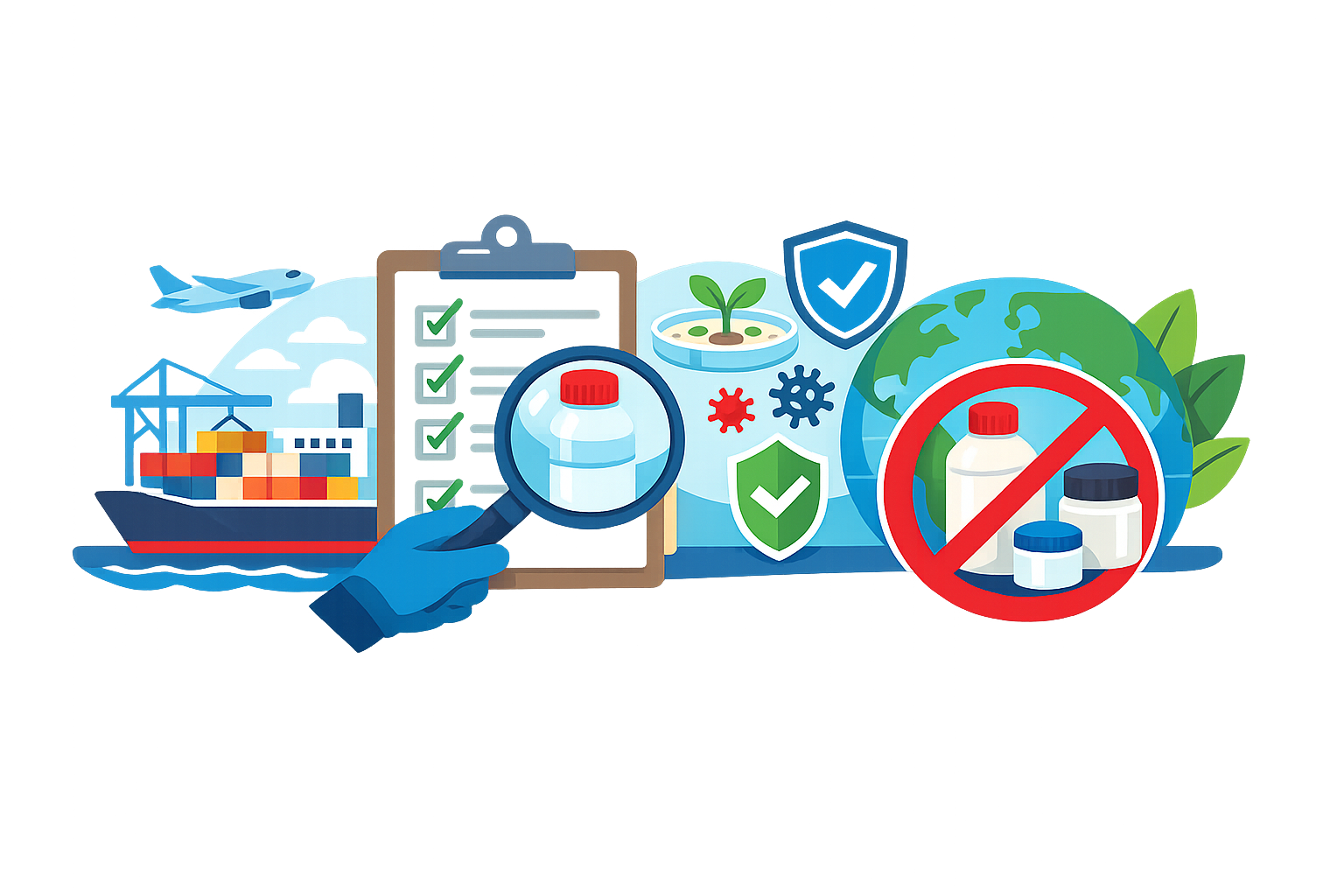
    ## Basel Convention procedures apply when exporting waste The Basel Convention (an international treaty controlling the transboundary movement of hazardous wastes) is implemented domestically through the Act on the Transboundary Movement and Disposal of Wastes. This Act divides waste into two categories. | Type of waste | Waste covered | When exporting | |---|---|---| | Waste subject to import/export controls | Waste specified in the annexes to the Basel Convention and other regulations | Obtain an export permit | | Waste subject to import/export management | Waste requiring import/export management other than waste subject to import/export controls | File an export declaration | Waste subject to import/export management means waste under the Wastes Control Act other than waste subject to import/export controls. Under the Wastes Control Act, waste means a substance that is no longer needed for people’s daily lives or business activities. If it is difficult to determine whether the goods to be exported are waste, check with the relevant regional or local environmental office before shipment. ![Containers and caps exported together with their contents are classified together with the contents. If only empty plastic containers, lids, or caps are exported, they are classified under heading 3923, while ABS waste and scrap are classified under heading 3915, headings linked to the requirements for waste export permits and declarations.](faq-e455-abs-container-basel-export.png "The tariff heading numbers are representative examples. Confirm the final classification with a customs broker or through the Korea Customs Service’s advance tariff classification ruling.") ## Containers and caps containing products are classified together with the contents Packaging containers exported together with their contents are classified together with the contents if they are of a kind normally used for packing those goods. Products exported in containers are classified under the tariff heading for the contents, not the material of the container. However, packaging clearly suitable for repetitive use is classified separately from the contents. There are also cases where only empty containers or caps are exported. Plastic containers for the conveyance or packing of goods, and their lids, stoppers, and caps, are classified under heading 3923 of the Customs Tariff Schedule. Bottles and lids, stoppers, and caps have separate subheadings within this heading. The tariff heading numbers are representative examples and do not constitute a final classification. Confirm the exact number with a customs broker or through the Korea Customs Service’s advance tariff classification ruling. ## Exporting ABS waste and scrap ABS appears in the notification under the category for plastic waste. Waste, parings (shavings produced by cutting), and scrap of plastic are classified under heading 3915 of the Customs Tariff Schedule. Plastic waste is listed as Y48 under the Basel Convention and is included in the list of waste subject to import/export controls. However, the following two types are specified as exclusions from this category. - Plastic waste considered hazardous waste under the Basel Convention - Plastic waste consisting of a single polymer, including ABS, that is almost free from contamination and other types of waste and is intended for environmentally sound recycling Plastic waste intended for recycling that is almost free from contamination is included in the Basel Convention’s list of wastes excluded from its application (B3011). Waste on this list is not considered waste subject to import/export controls. Waste that is not subject to import/export controls falls under waste subject to import/export management, and waste synthetic resins are included in this category. Separate criteria apply to movements between OECD member countries. For export customs clearance, you must have a waste export permit (declaration) confirmation issued by the head of the relevant regional or local environmental office. In the table of export requirements by tariff heading in the notification on export requirements subject to confirmation by the head of customs, heading 3915 is linked to the requirements for confirmation of a waste export permit and confirmation of an export declaration. Check with the competent environmental office whether the scrap to be exported requires a permit or merely a declaration. ## Points to check - First determine whether the goods to be exported are products or used-up waste and scrap. - If the product is exported in a container, confirm the tariff heading for the contents with a customs broker. - If only empty containers or caps are exported, search for their tariff heading in the export requirements table of the notification on export requirements subject to confirmation by the head of customs. - If exporting ABS waste and scrap, check with the relevant regional or local environmental office whether it requires a permit or a declaration. - Check with the buyer and a local customs broker regarding any separate requirements imposed by the importing country for plastic containers.

    Automatically translated from Korean.

    General information, not professional advice.

Ask Trade AI more about this topic

Ask the Trade AI right away, starting from this post's title.

Ask Trade AI