FAQOverseas purchase

Are bonded warehouse storage fees charged even if the cargo is released on the day of arrival or stored over holidays or extended holiday periods?

Automatically translated from Korean.
WeDealize Official AccountOfficialReviewed by our team · as of 2026-10-27
5 views
입항 당일 반출하거나 휴일·연휴에 보관해도 보세창고 보관료가 부과되나요? 대표 이미지
AI-generated image

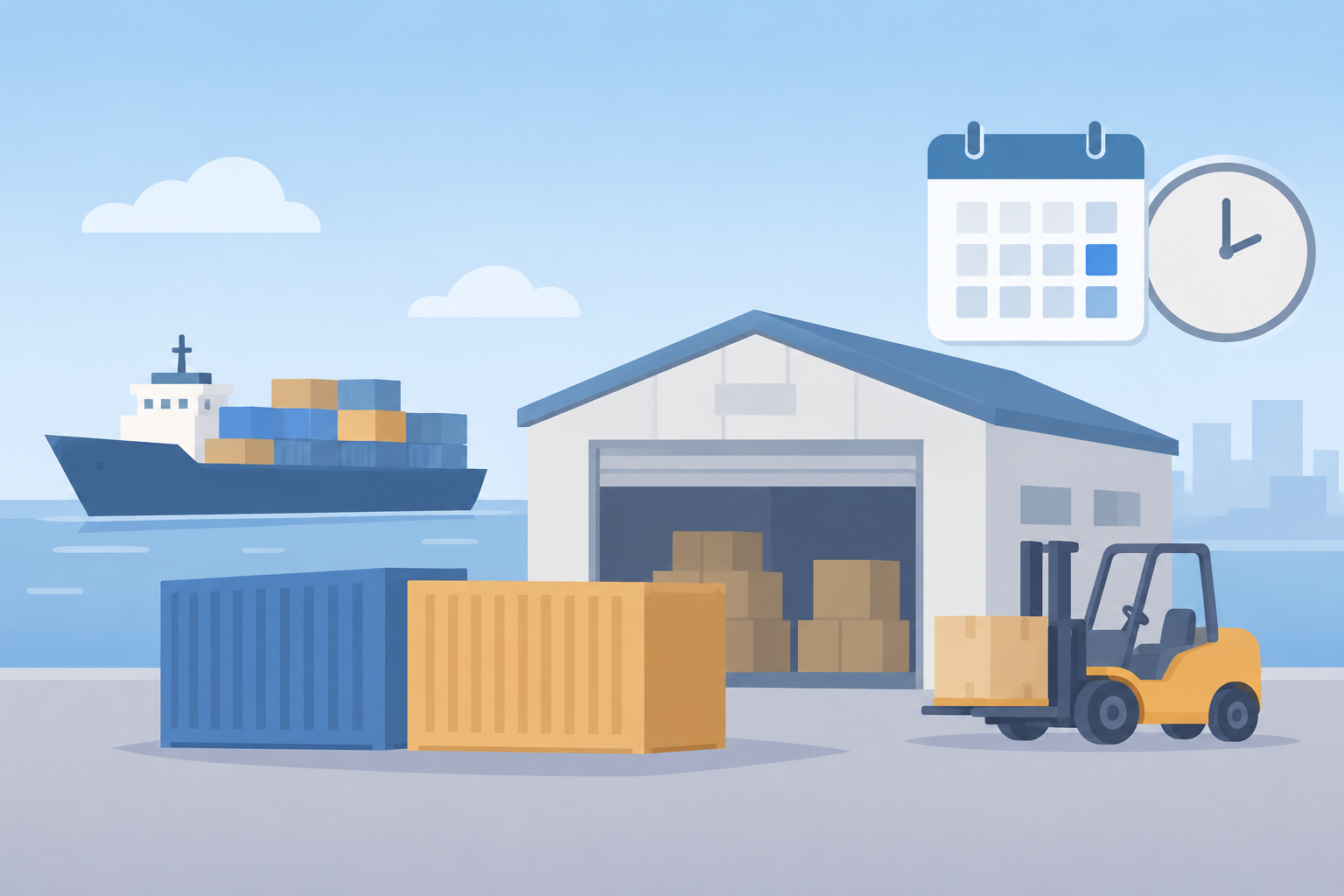
Key answer — The bonded warehouse operator must post the storage rates and storage rules inside the warehouse. How storage fees are calculated for same-day release or storage over holidays and extended holiday periods can be confirmed in the rules of the warehouse where the cargo is stored. If the import declaration is accepted before arrival, the cargo may also be released from the port or airport without being brought into a bonded area.

Importers who receive a bonded warehouse storage fee invoice even though they released their cargo immediately on the day it arrived often ask this question. Many also ask whether storage fees continue to accrue when cargo arrives on a Friday or just before an extended holiday and customs clearance is delayed until after the holiday. Others ask why storage fees are charged every time even for a single small sample shipment, or why the costs increased after the cargo was moved for a customs inspection.

General information, not professional advice.

1 comment

1 comment

  • WeDealize Official AccountOfficialReviewed by our team · as of 2026-10-27

    ## Storage fees are determined by the rates applicable at the place where the cargo is stored Foreign goods may not be stored in a location other than a bonded area (a place where imported cargo is temporarily kept before taxes are paid). Exceptions apply to goods that are difficult to store in a bonded area due to their size or weight, among others. Bonded areas are divided into designated storage areas and customs inspection areas designated by the head of the customs office, as well as bonded warehouses operated under a license. A designated storage area is a location designated by the head of the customs office for the temporary storage of goods intended for customs clearance. A bonded warehouse operator must post its storage rates and storage rules in a specific location inside the warehouse. Private bonded warehouses, which operators use to store their own cargo, are exempt from the requirement to post storage rates. The cargo manager of a designated storage area may collect from the cargo owner the costs necessary for cargo management. These costs include fees for using customs facilities, and the rates must be approved by the head of the customs office. For cargo released on the day of arrival or cargo stored during holidays or consecutive holidays, check the storage rules posted by the warehouse to determine how storage fees are calculated. If you receive an invoice, compare it with the warehouse’s storage rates and storage rules. ![When imported cargo is stored in a bonded warehouse, check the storage rates and storage rules posted by the operator inside the warehouse. When cargo is stored in a designated storage area, the cargo manager collects fees at rates approved by the head of the customs office. If the import declaration is accepted before arrival, the cargo may be released from the pier or airport without being brought into a bonded area.](faq-t708-bonded-storage-fee-place.png "Check the rules at the storage location to determine how same-day release and holiday storage are calculated") ## The cargo owner can discuss and decide which warehouse will store the cargo As a rule, cargo for which an import declaration has not been filed before arrival or before unloading is stored at a location agreed upon by the shipping line or other party with the cargo owner, or a person authorized by the cargo owner, and the operator. If the cargo owner does not express a separate preference, the storage location is determined according to the type of B/L (Bill of Lading). | B/L type | Party that determines the storage location | | --- | --- | | Master B/L cargo | Shipping line or other party | | House B/L cargo | Freight forwarder, in consultation with the shipping line and operator | If you have a preferred warehouse, the cargo owner or an authorized representative can discuss and decide on it with the operator or other relevant party. ## If the import declaration is accepted before arrival, the cargo can be released without being brought into a bonded area Goods for which an import declaration has been filed before arrival or before unloading undergo customs clearance and inspection procedures inside the pier or airport without being brought into a bonded area. For ocean cargo, if the import declaration is accepted before arrival, the cargo can be loaded onto a vehicle and released simultaneously with unloading (direct release on a vehicle). In this case, the report of entry into and removal from the bonded area may be omitted. For air cargo, if the import declaration is accepted before arrival, the cargo is moved to the unloading area for immediate release. If the person entitled to the cargo requests immediate release, the cargo may be released directly from the apron (where aircraft are parked) without being brought into the unloading area. For information on when a pre-arrival import declaration can be filed and how to clear customs on weekends and public holidays, see the article “Can I complete import customs clearance on weekends and public holidays?” ## If the cargo is moved to a customs inspection area for inspection, the cargo owner bears the inspection costs The head of the customs office may bring all or part of the goods subject to inspection into a customs inspection area and inspect them. The cargo owner bears the inspection costs necessary for sampling and transporting goods brought into the customs inspection area. However, the government may provide inspection cost support within the limits of the budget for container cargo of small and medium-sized enterprises or mid-sized enterprises, among other goods that are found not to violate any laws or regulations as a result of the inspection. Check with a licensed customs broker to determine whether the cargo qualifies for support. ## Points to check - Ask the freight forwarder which bonded warehouse will store the cargo, and obtain that warehouse’s storage rates and storage rules. - Ask the warehouse directly how it calculates same-day release and storage during holidays or consecutive holidays. - When you receive an invoice, request an itemized breakdown separating storage fees, handling fees, and inspection costs. - If arrival is expected just before a holiday period, consult a licensed customs broker about whether a pre-arrival import declaration or temporary opening of the customs office is possible.

    Automatically translated from Korean.

    General information, not professional advice.

Ask Trade AI more about this topic

Ask the Trade AI right away, starting from this post's title.

Ask Trade AI